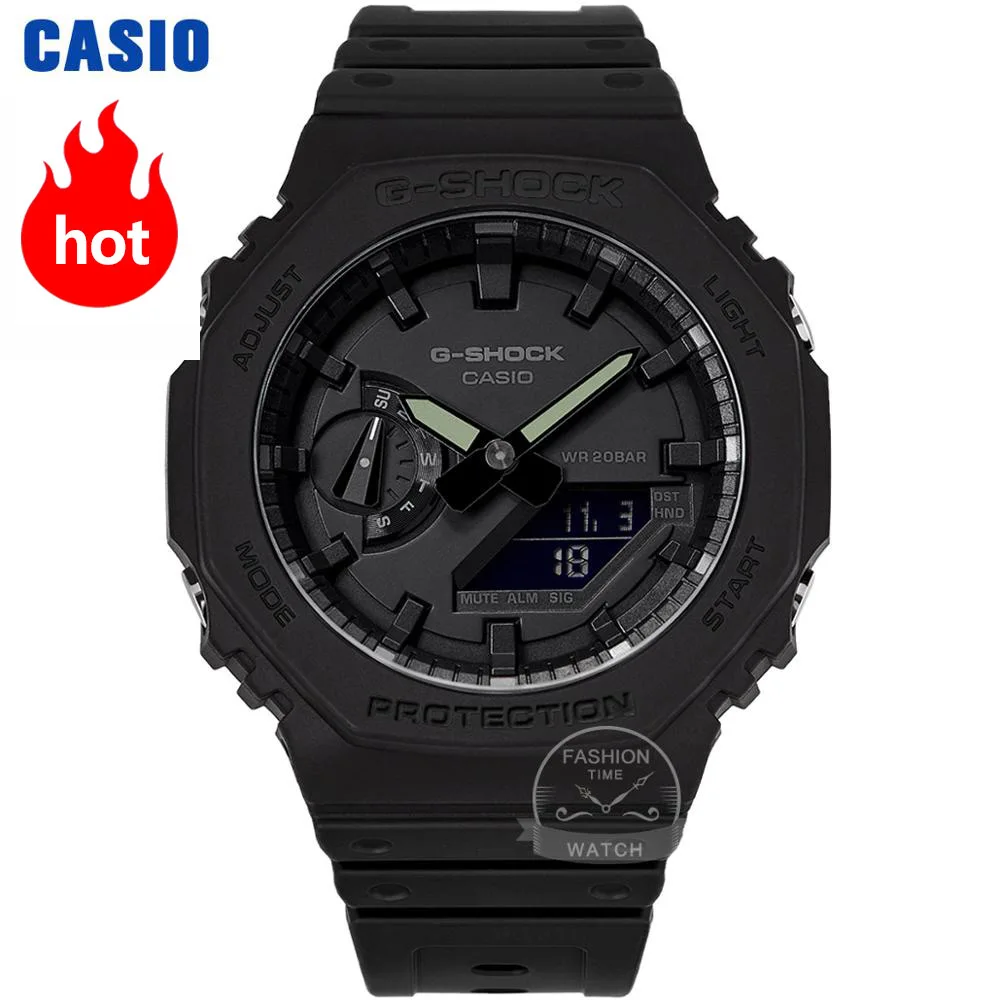
"Water resistant" is one of the most misunderstood phrases on a watch listing. A watch rated 50 m is not safe at 50 metres down, and rain, sweat and showers do not behave like a test tank. In a country where it can rain for twenty minutes and then stay at 90 per cent humidity for the rest of the day, it is worth understanding what the numbers really mean.
This is a plain-English guide to the ratings, to what Singapore weather does to a watch, and to how to look after the seals. Always check Casio's manual for your specific model, because rules differ between models.
- What the ratings mean in practice
- Movement adds pressure
- Do not press buttons underwater
- Showers, steam and saunas
- Heat, sweat and humidity
- Keep seals healthy
- Checking the claim in a listing
- A quick guide by activity
- Choosing the right rating
- FAQ
What the ratings mean in practice
Ratings are lab figures measured under static conditions, not a promise that the watch can be used at that depth. Lower ratings, around 30 to 50 m, generally mean splashes and rain. Around 100 m is usually fine for swimming and snorkelling. A 200 m rating is common on sporty models, and genuine dive watches state that they meet diving requirements. If the listing gives no rating at all, treat that as a question mark.
Movement adds pressure
Swimming, diving into a pool or even slapping the water adds pressure beyond the static figure. That is why a watch rated 50 m should not go on a swim, even though the pool is nowhere near 50 metres deep. When in doubt, choose a higher rating than you think you need.
Do not press buttons underwater
On most non-dive watches, pressing buttons underwater can let water in. Casio's manuals for your model explain what is allowed. Make it a habit to set alarms and modes before the swim, not during it.
Showers, steam and saunas
Hot showers and steam stress seals more than cold water does, and soap can degrade them over time. Even a watch with a high rating is better off on the bathroom shelf than on your wrist. The same goes for saunas and hot tubs.
Heat, sweat and humidity
Singapore's weather is hard on straps more than on cases. Sweat soaks into resin and can make it smell, and humidity encourages grime in corners. Rinse the watch with fresh water after sweaty runs or sea swims, dry the strap, and give it an occasional wash with mild soap. Chlorine and salt are tougher on seals than plain sweat, so rinse thoroughly after swimming.
Moving between a cold air-con room and humid outdoor air can fog a crystal briefly. If fogging persists or appears often, the seals may be failing, so have the watch checked.
Keep seals healthy
Seals age, and opening the case for a battery change can disturb them. If you swim regularly, ask a watch shop to replace the gasket and pressure-test the watch whenever the battery is changed. Replace the strap when it cracks, since a broken strap can lose the whole watch in the sea.
Checking the claim in a listing
Ratings appear in several forms: metres, "WR" numbers and ATM or bar. As a rough conversion, 3 ATM is about 30 m, 5 ATM about 50 m and 10 ATM about 100 m. Compare the figure in the listing with the marking on the caseback in buyer photos, and with Casio's model page. A listing that just says "waterproof" without a number is not giving you enough to decide.
A quick guide by activity
Rain, handwashing and sweat: 30 to 50 m is generally fine. Swimming laps and snorkelling: look for 100 m or more. Surfing, boating and watersports: choose 200 m. Diving: only models that explicitly state they are dive-rated, with the manual's rules followed to the letter.
Choosing the right rating
For commuting and daily wear, 50 m is enough. For swimming, aim for 100 m or more. For serious water sports or diving, look for models that explicitly state they are dive-rated. Browse outdoor Casios or G-Shocks with these ratings in mind, and check that the listing's rating matches the marking on the caseback in buyer photos.
Quick answers
Can I swim with a 50 m watch?
Generally not recommended. Fifty metres usually means splashes and rain. Check Casio's manual for your model.
Do I need to rinse my watch?
Rinsing with fresh water after sweat or sea water helps protect seals and straps.
How often should seals be checked?
If you swim or dive regularly, have them checked periodically, as seals wear with time.